San Beda-Letran match ‘spin tactic’ put spotlight on limits of fan distraction
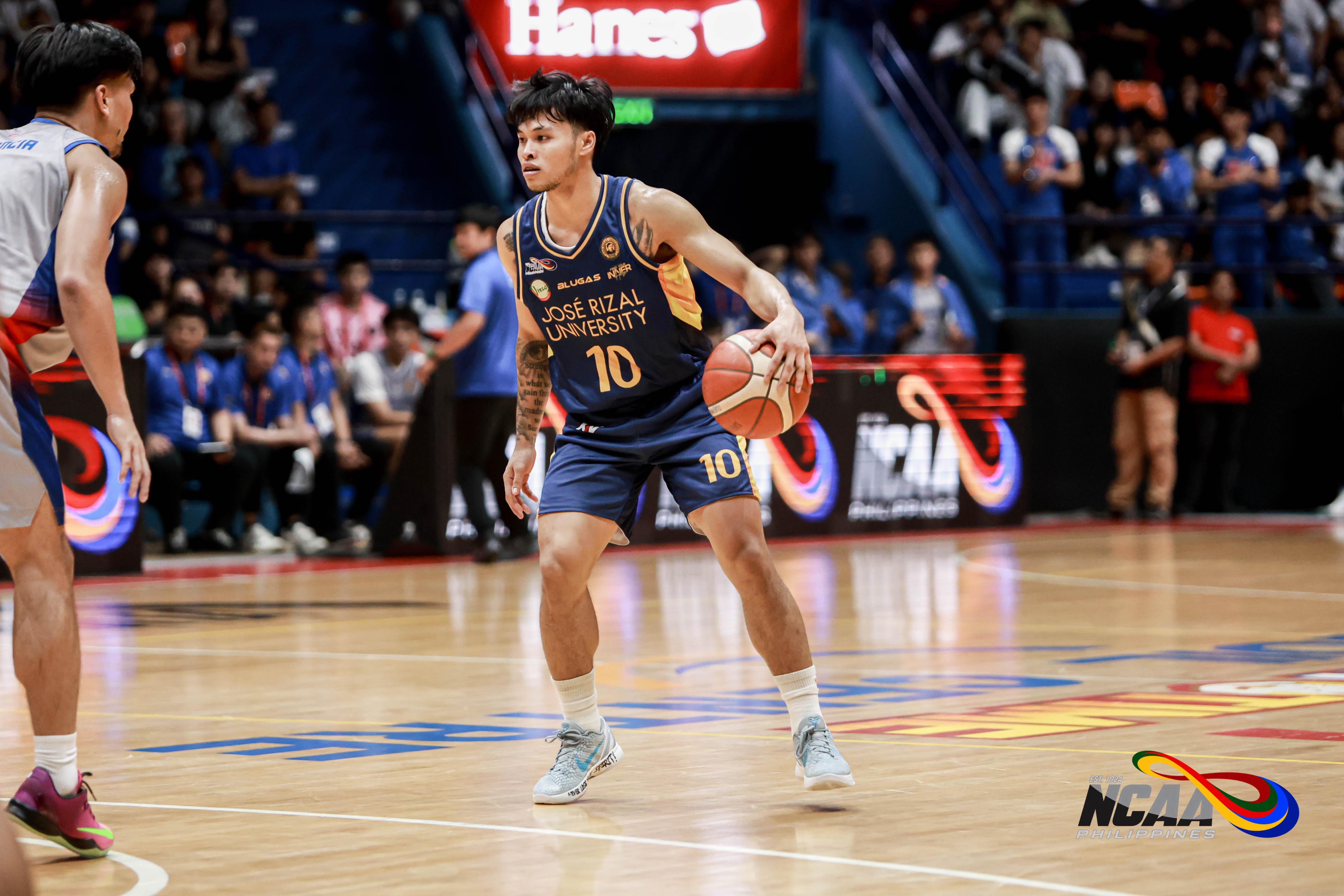
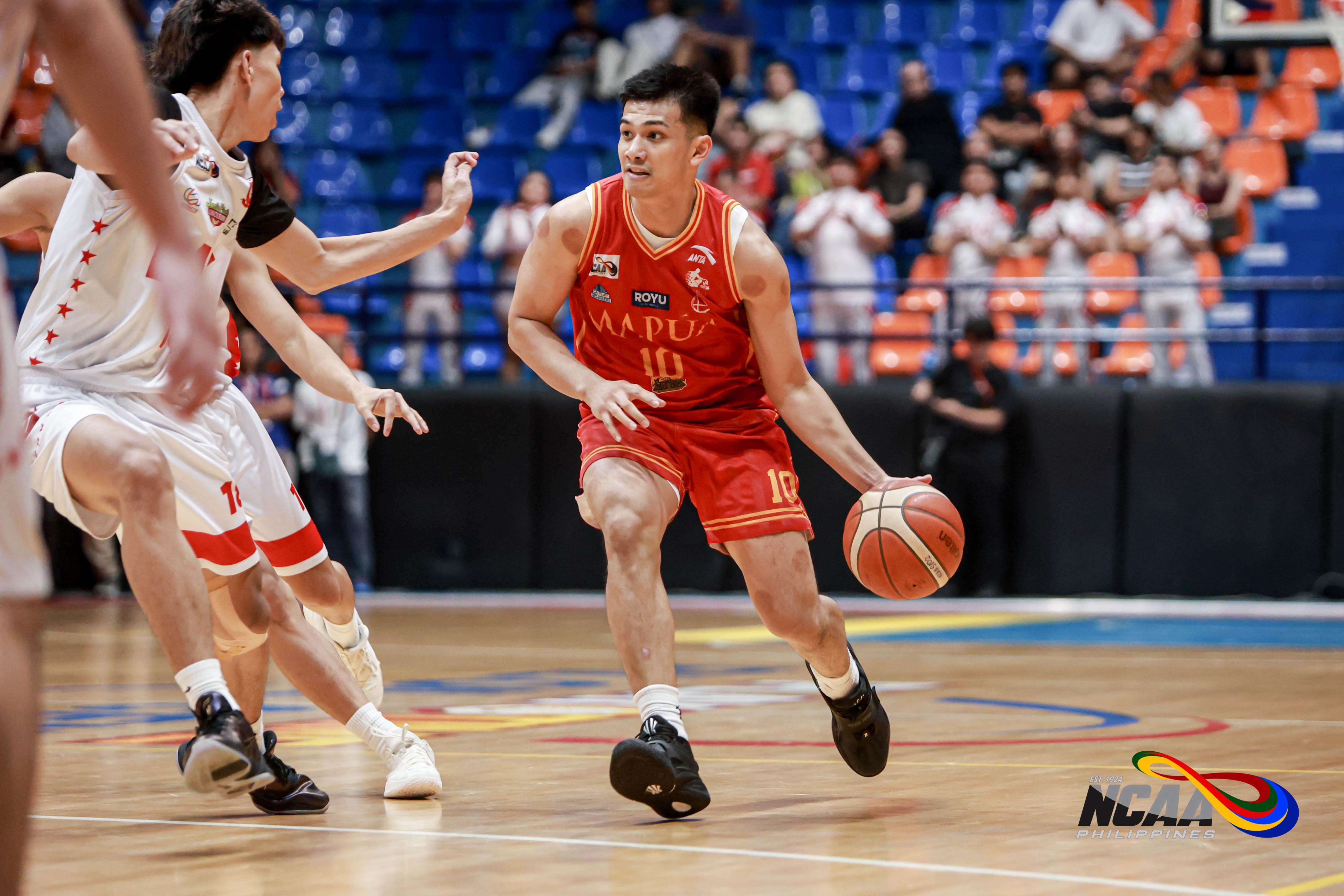
MANILA, Philippines — Basketball has always been a game of nerves especially in college sport.
Fans shout. Students and alumni taunt. School bands make noise. And when an opposing player goes to the free-throw line, the crowd does everything make him lose his concentration and miss the shot But the antics seen during Monday’s NCAA senior basketball match between the San Beda Red Lions and the Letran Knights raise a different question: When does cheering stop being part of the game and become an attempt to interfere with it?
Members of the San Beda pep squad were seen on TV behind the Letran basket spinning giant red-and-black spiral boards whenever Letran players shoot free .
San Beda eventually won, 74-65, in overtime.
The incident has since drawn attention even the day after the match because the display appeared to be deliberate.
The issue was the use by San Beda supporters of large, spinning objects directly in the shooter's line of sight.
Under FIBA rules, not every form of crowd distraction is prohibited.
Basketball crowds are expected to be loud, and there is nothing unusual about fans trying to rattle and distract an opposing player.
The rules, however, do address conduct such as excessive taunting and attempts by participants to obstruct an opponent's vision. Those provisions primarily apply to players, coaches and other persons covered by the playing rules, rather than ordinary spectators.
And that is where the San Beda incident gets interesting.
The people allegedly behind the antic were reportedly members of the Red Corps, an organized cheering group of San Beda University.
Whether its actions are covered by a specific NCAA rule is a matter for the league to determine.
What does the NCAA rulebook say? This is where some caution is needed.
FIBA rules cannot simply be imposed on the NCAA. The international federation itself makes clear that its rules are different from those used by the NCAA which has its own rules and policies.
There is no publicly available NCAA provision that specifically says a cheering squad cannot spin large objects behind the basket during a free throw.
So it would be premature to declare outright that San Beda violated an NCAA rule.
But that does not mean the league has no reason to look into it.
The NCAA has dealt with spectator-related incidents before and has made clear that conduct inside the playing venue can be subject to league action. The question in this case is whether an organized cheering activity crossed the line from enthusiastic support into deliberate interference with play. That is a judgment for NCAA officials.
Interestingly, the NCAA in the United States has specific guidelines governing cheering squads during basketball games.
Those guidelines regulate where cheerleaders and mascots may position themselves and include restrictions designed to prevent them from obstructing the view of players, spectators and others. There are also restrictions on spirit squads standing during free-throw attempts.
Again to clarify, those are not Philippine NCAA rules and should not be treated as such.
But it shows that collegiate basketball leagues can draw a line between ordinary cheering and that may be worth considering.
Did the spinners affect Letran's shooting? There is no evidence that they did. No player, coach or league official made it an issue.
Letran shot just 11-of-27 from the free-throw line, while Letran’s star player, Titing Manalili made only one of seven attempts.
Manalili did not blame the Red Corps for his misses. He acknowledged that free-throw shooting was something the team needed to work on.
And that is probably the right way to look at it.
The question is not whether the spinning images caused Letran’s players to miss their shots.
The question is whether that kind of fan distraction should be allowed .
Noise is a type of distraction. Visual interference is another.
Many years back and especially during crucial matches, supporters of opposing teams buy ringside tickets for seats behind their rival team’s bench where scantily-clad women were made to sit and deliberately distract players There is nothing wrong with a student section trying to get inside an opponent's head. That is part of college basketball.
San Beda and Letran have been doing this to each other for generations. The rivalry is built on emotion, school pride and, at times, a fair amount of psychological warfare.
But there is a difference between screaming from the stands and deliberately placing a large moving object behind the basket while an opposing player is trying to shoot.
One is noise. The other is visual distraction.
And if such tactics become accepted, it is not difficult to imagine where they could lead — bigger objects, more elaborate props and increasingly aggressive attempts to disrupt an opponent's concentration.
That is why the NCAA may want to take a closer look, even if it ultimately decides that no rule was broken.
The league may need to draw the line The San Beda-Letran incident may be nothing more than an unusually creative example of school spirit. But it has also exposed a gray area in the rules.
The NCAA does not need to take the fun out of cheering. Nor should every unusual act by a student section be treated as misconduct.
What it may need, however, is a clearer standard on organized cheering activities during live play — particularly those conducted by school-affiliated groups and aimed directly at an opposing player.
The league's own emphasis on competition, sportsmanship and the values of collegiate athletics makes the discussion worthwhile.
After all, home-court advantage should mean having the louder crowd, not necessarily having a moving target behind the basket.
The Red Corps may have found a clever way to test an opponent's concentration.
Now the NCAA may have to decide whether it wants that tactic to become part of the game.
[The author, former managing editor of The Manila Times, covered the NCAA as campus sportswriter for both Letran and San Beda.]