
What China Luggage Manufacturer Buyers Gain from DCP Bags' China and Indonesia Manufacturing Network
Oct 23, 2026
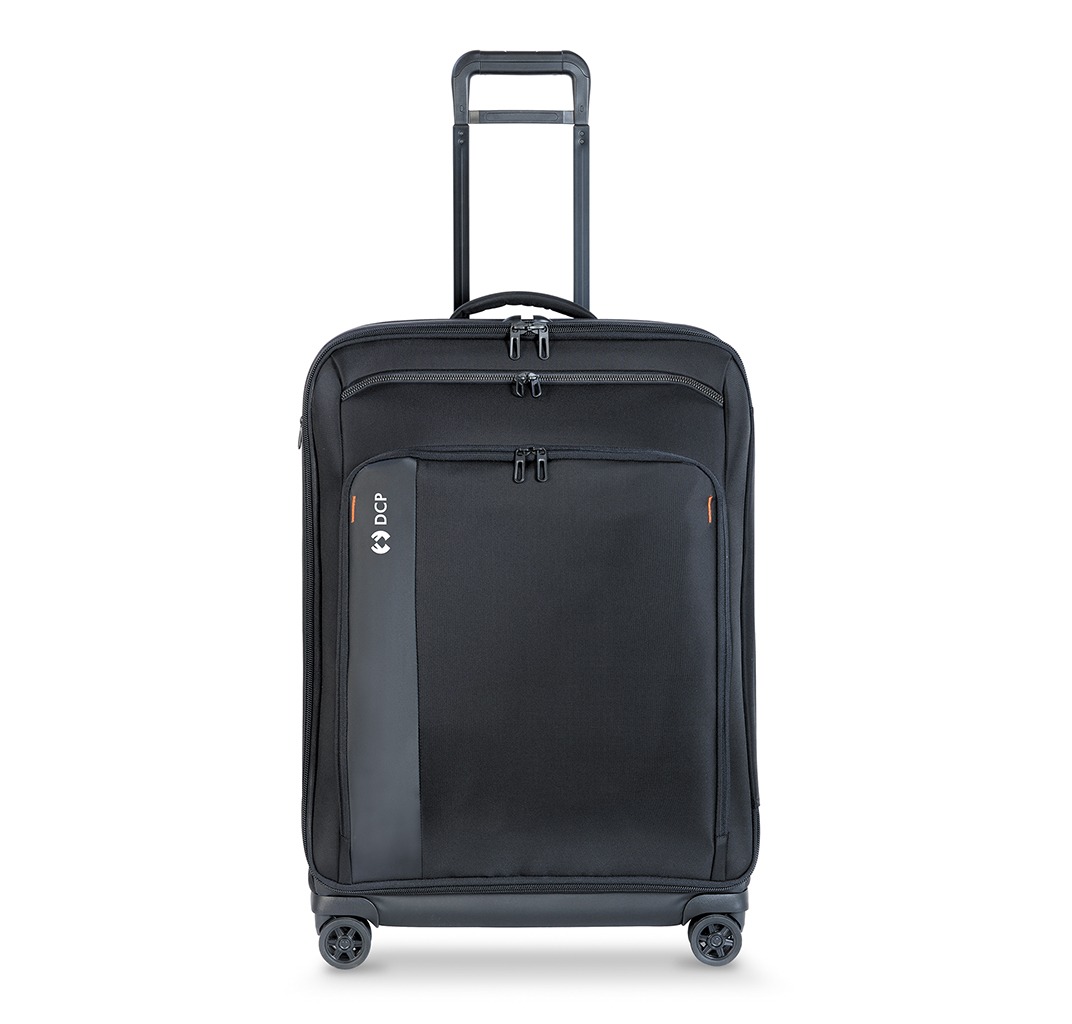
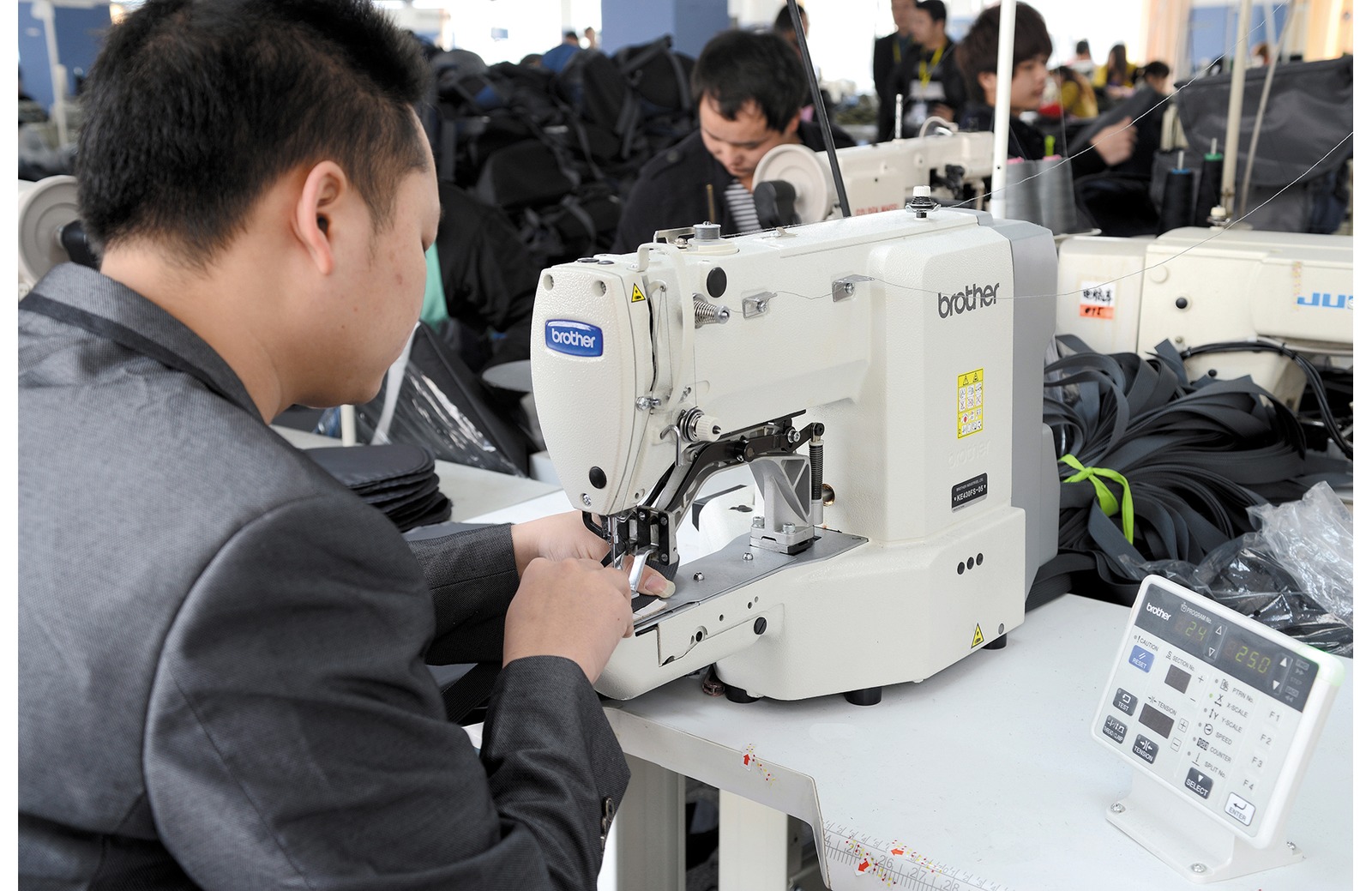
Quanzhou, Fujian Oct 22, 2026 (Issuewire.com) - For procurement teams evaluating a China Luggage Manufacturer (https://www.dcp-bags.com/Trolley-Case-pl4/), DCP Bags (https://www.dcp-bags.com/company/) provides a verified cross-border manufacturing network that connects a 13,000-square-meter facility in China with a 26,000-square-meter facility in Indonesia. Established in 2000 as DCP TRAVELLING PRODUCTS CO., LTD., the organization has spent more than two decades refining a production footprint that currently exports finished goods to more than twenty countries. By maintaining this dual-location strategy, the company allows enterprise buyers to distribute their supply chain volume across two distinct geographic hubs without compromising on centralized quality oversight. Rather than offering abstract capacity projections, the manufacturer integrates both physical plants through a continuous operational sequence that begins with raw material procurement and rigorous laboratory testing in China, followed by high-volume assembly, quality assurance, finished goods warehousing, and container loading in Indonesia. This structured supply chain design ensures that international buyers receive the undeniable scale advantages of Southeast Asian assembly while retaining the deep material expertise and technical oversight associated with established Chinese manufacturing hubs, delivering a stable foundation for long-term original equipment manufacturing and original design manufacturing programs. Two Plant Footprints Give Buyers a Clear Capacity Map The primary advantage of engaging a dual-country production network is the ability to construct a realistic and actionable capacity map based on verified physical infrastructure. Evaluating a supplier in the competitive luggage sector requires looking beyond simple monthly output promises to understand the actual floor space, equipment, and workforce driving the production lines. The China facility serves as a robust operational foundation, occupying 13,000 square meters and operating eight dedicated production lines. With a skilled workforce exceeding 200 employees, this location provides a stable and highly controlled monthly capacity of 100,000 packages. This established Chinese footprint offers buyers a reliable hub for initial project development, specialized production runs, and comprehensive material coordination. Complementing this foundational base, the Indonesia manufacturing complex significantly expands the total production bandwidth available to enterprise buyers. Covering 26,000 square meters, the Indonesian plant scales up operations with 40 distinct production lines and a dedicated workforce of more than 2,000 employees. This infrastructure investment translates to a massive monthly output capacity of 400,000 pieces, positioning the facility as a high-volume execution center. Furthermore, the combined manufacturing network leverages more than 1,800 sets of advanced production equipment and utilizes a specialized 1,000-square-meter drying room to maintain optimal material conditions. By maintaining these two distinct yet connected manufacturing environments, the company ensures that buyers can confidently plan large-scale global orders and manage seasonal inventory spikes. Material Inspection Connects China Sourcing with Indonesia Production A multi-country manufacturing strategy only succeeds when the flow of materials is meticulously controlled and systematically verified before crossing international borders. Rather than operating two isolated and disconnected factories, the organization has integrated its China and Indonesia operations through a highly rigorous material handover process. The main materials required for durable luggage production are strategically sourced within China, leveraging the region's unparalleled supply chain density and material diversity. Before any of these primary materials are authorized for transfer to the Indonesian assembly lines, they must pass through comprehensive testing and inspection protocols at the Chinese facility. This critical quality gate ensures that only verified, compliant components enter the international logistics chain. This intelligent material strategy also incorporates localized sourcing to optimize manufacturing efficiency and eliminate unnecessary transit delays. While the primary structural components undergo rigorous Chinese testing, select accessories and packaging materials are sourced directly within Indonesia. This bifurcated procurement approach allows the manufacturer to balance the technical superiority of Chinese main materials with the logistical agility and cost efficiency of local Indonesian packaging suppliers. For the procurement professional tasked with supply chain auditing, this transparent division of material origins and inspection nodes provides a clear framework for evaluating supplier reliability, ensuring that the final assembled product benefits from the optimal combination of regional sourcing strengths. Trolley Case Models Show the Network Serves Actual Luggage Products Evaluating manufacturing infrastructure requires tangible proof that the designated facilities are actively producing the specific categories required by the market. The cross-border network is directly aligned with the production of highly structural luggage, particularly the demanding Trolley Case category. A clear demonstration of this specialized capability is the DCP-BM003 Cabin Spinner, which serves as a concrete reference point for buyers seeking resilient, cabin-oriented travel products. This specific model illustrates the network's ability to handle the complex hardware integrations, rigorous structural reinforcements, and precise material tolerances required for modern wheeled luggage. Beyond a single isolated example, the product portfolio includes additional variations that prove the network's manufacturing versatility within the travel category. The production lines also output the DCP-BM006 Domesticcx Spinner and the DCP-RS009 Trolley Case, alongside diverse categories such as Business Backpacks, Camping Bags, and Wheeled Backpacks. For the sourcing team, these specific model references transform theoretical factory capacity into verifiable production evidence. Buyers can trace these exact product types back to the dual-factory network, confirming that the stated workforce and production lines are actively engaged in manufacturing the exact structural categories they need to source for their retail markets. Quality Handoffs Continue Through Packing and Shipment Preparation The integrity of a cross-border manufacturing process relies heavily on the quality control mechanisms enforced during the final stages of production, packaging, and shipment preparation. To guarantee product consistency across locations, the company operates dedicated internal testing centers equipped with more than twenty distinct types of testing equipment. These advanced facilities execute comprehensive chemical and physical testing on both incoming raw materials and finished products, establishing objective performance data that governs the entire manufacturing lifecycle. This highly scientific approach to quality ensures that raw materials meet strict compliance standards before assembly begins and that the final luggage can withstand the intense physical demands of global travel. Following the extensive assembly phase, the quality assurance protocols extend seamlessly into the packing and dispatch operations. The workflow mandates strict random quality assurance inspections immediately before the finished products are packed into shipping cartons. Once formally cleared by the inspection teams, the finished goods are moved into dedicated warehouse staging areas before proceeding directly to the final loading containers. This continuous and heavily documented chain of custody provides international buyers with a traceable quality record that spans from the initial raw material tests to the exact moment the container doors are sealed, drastically mitigating the defect risks traditionally associated with high-volume overseas procurement. Lean and Digitized Management Coordinate Departments Across the Network Operating a massive manufacturing network across two countries requires a centralized management philosophy to prevent departmental silos, communication breakdowns, and operational friction. To achieve this critical alignment, the facilities operate under a unified Lean Management System paired with a highly comprehensive digitized management framework. Following a major enterprise resource planning upgrade in 2022 and further digital transformations in 2024, the system now connects critical departments including sales, procurement, production, transportation, and human resources into a single cohesive operational environment. By digitizing these complex workflows, the organization severely reduces the probability of human error and significantly accelerates technical communication between the Chinese engineering teams and the Indonesian production managers. This high level of operational maturity extends directly into the research and development phase, where the company actively supports a complete transition from traditional original equipment manufacturing to sophisticated original design manufacturing. The professional design team utilizes advanced three-dimensional modeling to accelerate the development cycle, offering highly precise style and material recommendations tailored to the buyer's target demographic. Coupled with a rapid sampling process, this digitized and lean approach ensures that abstract buyer concepts are translated into physical prototypes with maximum efficiency. For the procurement team, this means that design iterations, material approvals, and global production schedules are continuously coordinated through a transparent system that spans the entire manufacturing network. The Network Supports Sourcing Decisions Without Invented Logistics Benefits A professional sourcing evaluation must always rely on verifiable manufacturing capabilities rather than speculative or unproven logistics claims. The dual-factory footprint offers distinct geographic contact points, with operations firmly anchored in Quanzhou, China, and Jepara in Central Java, Indonesia. These established and fully documented locations provide buyers with the concrete physical infrastructure necessary to support complex supply chain decisions, from initial product development and rigorous material sourcing to large-scale final assembly and deep quality verification. The true value of this manufacturing network lies in its documented processes, robust testing protocols, and clear departmental coordination across international borders. Global buyers seeking a highly reliable luggage manufacturing partner should base their procurement strategies on these clearly demonstrated operational strengths. The seamless integration of Chinese material expertise with massive Indonesian production scale creates a highly effective manufacturing solution that continuously supports the long-term quality, compliance, and volume requirements of international brands. Procurement professionals, product developers, and supply chain managers looking to leverage this extensive cross-border manufacturing network are encouraged to review the full technical capabilities, explore the testing parameters, and initiate detailed project discussions by visiting the official website at https://www.dcp-bags.com/.
Source :DCP TRAVELLING PRODUCTS CO., LTD.
This article was originally published by IssueWire. Read the original article here.
More News









Recommended

Wesley So wins 4th US Chess Championship





Mondilla new leader; Avaricio scores again

Letran, JRU boost records as NCAA race heats up



YOUR NEWS, OUR NETWORK.
Do you have Great News you want to tell the world?
Be it updates about your business or your community, you can make sure that it’s heard by submitting your story to our network reaching hundreds of news sites across 6 verticals.